Why Energy Stocks Are Rising Faster Than Oil and Gas Prices
Posted on
Start Investing
Posted at
Introduction
The energy sector is outpacing energy prices, and that single fact is challenging decades of conventional investing wisdom. For years, investors assumed energy stocks were little more than proxies for oil and gas prices. When crude oil rose, energy shares rallied. When prices fell, stocks followed suit. That assumption no longer holds.
In 2026, many energy stocks on the NYSE and NASDAQ continue to deliver strong returns even as oil and gas prices remain range-bound. This divergence is not accidental, temporary, or speculative. It reflects a fundamental shift in how energy companies operate and how investors value them.
For US investors focused on stock trading, long-term wealth building, and financial independence, understanding why the energy sector is outpacing energy prices is essential. This trend is reshaping portfolio construction, sector rotation strategies, and income-focused investing across retirement and taxable accounts.
Why the Energy Sector Is Outpacing Energy Prices
For decades, energy investing was simple. Oil prices went up, energy stocks followed. Oil prices went down, energy stocks suffered. That relationship made sense when companies prioritized production growth at any cost and profits rose and fell directly with commodity prices.
Today, the energy sector is outpacing energy prices because companies no longer operate under that old model. The industry has matured, learned from past boom-and-bust cycles, and shifted its focus toward profitability, efficiency, and shareholder returns.
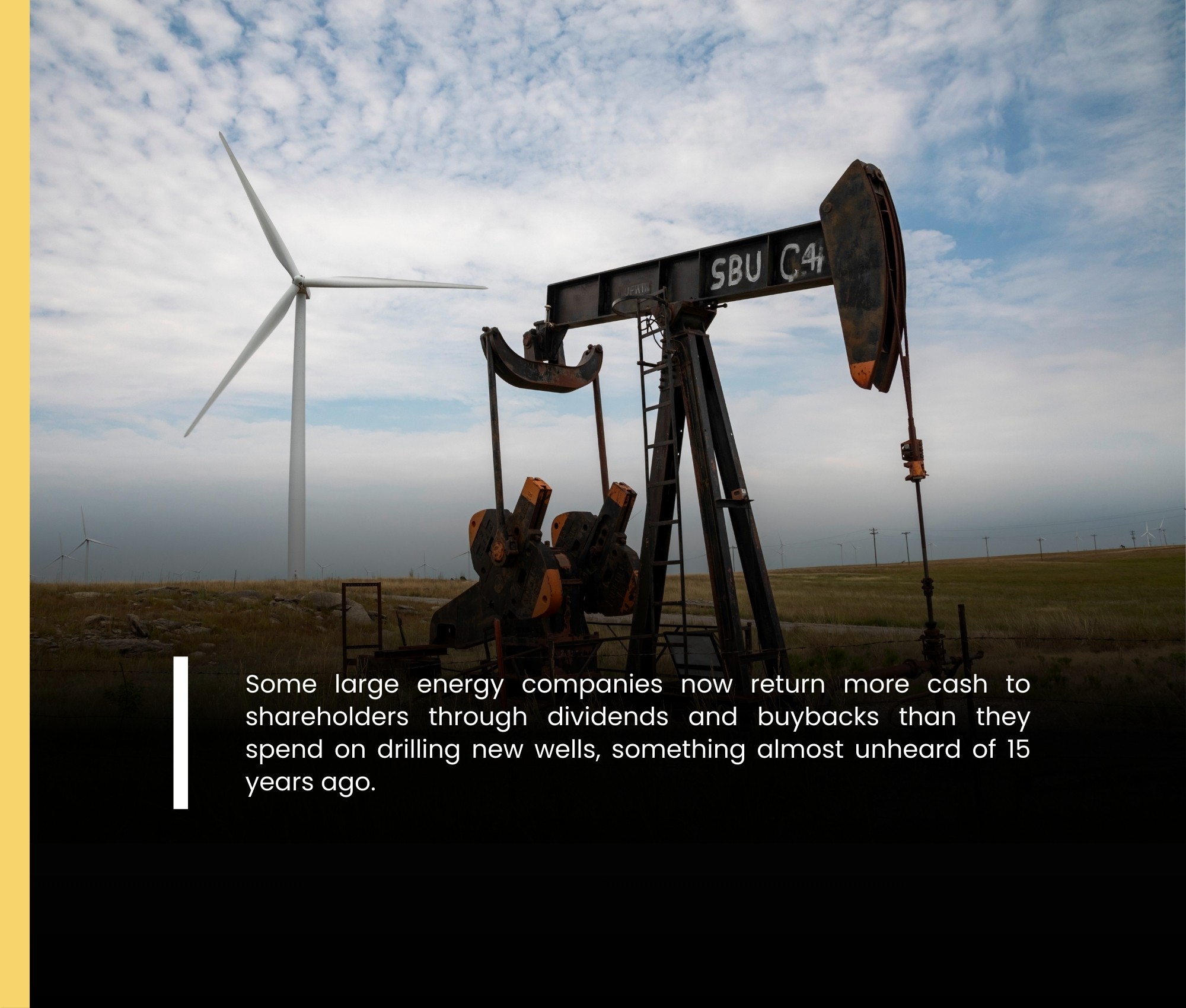
One of the most important changes is capital discipline. Energy companies are no longer rushing to drill aggressively whenever prices rise. Instead, they carefully manage spending, limit new projects, and prioritize free cash flow. Free cash flow simply means the money left over after a company pays its operating and capital expenses. This cash can be used to reduce debt, buy back shares, or pay dividends.
Investors care deeply about this shift. Stable cash generation reduces risk and makes earnings more predictable. As a result, energy stocks are increasingly valued like cash-producing businesses rather than speculative commodity trades.
Financial metrics now matter more than spot prices. Investors closely watch the price-to-earnings ratio, which shows whether a stock is expensive relative to its profits. They also focus on return on invested capital, a measure of how efficiently a company uses its money to generate returns. Many energy companies have improved both metrics, even without rising energy prices.
From a broader market perspective, energy stocks remain undervalued relative to the S&P 500 and Dow Jones. This valuation gap explains why institutional investors continue allocating capital to the sector. The result is sustained stock performance that no longer depends on higher oil prices.
Structural Forces Driving Energy Stock Outperformance
Beyond company-specific improvements, larger structural forces help explain why the energy sector is outpacing energy prices in 2026. One of the most important is long-term underinvestment. After years of poor returns, energy companies dramatically cut exploration and development spending. That reduction tightened supply and improved pricing power without requiring aggressive expansion.
At the same time, demand for energy has proven more resilient than many expected. Despite rapid growth in renewable energy, fossil fuels remain essential to transportation, manufacturing, electricity generation, and national security. This balance between constrained supply and steady demand supports profitability even when prices remain relatively stable.
Another critical factor is the evolution of the energy transition. Energy companies are no longer positioned as “either fossil fuels or renewables.” Many are investing in cleaner technologies such as carbon capture, natural gas infrastructure, and efficiency improvements. This adaptability has attracted investors who previously avoided the sector due to environmental concerns.
Geopolitics also play a major role. Global conflicts, trade disruptions, and supply chain vulnerabilities have increased the strategic value of domestic US energy production. Companies operating under stable American regulations and SEC oversight benefit from investor confidence and easier access to capital markets.
Investor psychology matters as well. As technology stocks face valuation pressure and volatility, capital rotates into sectors offering income, inflation protection, and tangible assets. Energy fits all three categories. That rotation has further fueled energy stock demand, reinforcing the trend where energy equities outperform the underlying commodities.
Pitfalls to Avoid and StockProfitClub’s Guidance
Despite strong fundamentals, investing in energy stocks still carries risk. One of the most common mistakes investors make is focusing exclusively on oil price headlines. Short-term price spikes often trigger emotional buying, while temporary declines cause unnecessary selling. This reactive behavior leads to poor timing and inconsistent results.
Another frequent error is ignoring balance sheets. Companies with excessive debt are vulnerable during economic slowdowns or price volatility. Even in a strong sector, weak financial structures can destroy shareholder value.
Overconcentration is also a danger. Betting too heavily on a single energy sub-sector or company exposes portfolios to unnecessary risk. Diversification remains essential, even when a theme appears compelling.
At StockProfitClub, energy investing follows the same disciplined framework we apply across all markets. We focus first on risk management, then on returns. Our strategies prioritize high-quality companies with strong cash flow, reasonable valuations, and clear exit rules. We do not chase trends or predict commodity prices. Instead, we trade probabilities and protect capital.
Our educational programs emphasize repeatable systems rather than guesswork. Members learn how to evaluate earnings reports, assess valuation metrics, and align trades with broader market conditions. This approach works whether you are building a retirement portfolio or actively trading energy stocks.
For those just starting out, the best energy sector investing strategies for beginners are rooted in patience, discipline, and education. Understanding why the energy sector is outpacing energy prices helps investors avoid emotional decisions and focus on what truly drives long-term performance.
For deeper learning, explore our course Everything You Need to Become a Profitable Trader in 2026.
Conclusion
The energy sector is outpacing energy prices because the industry has fundamentally changed. Capital discipline, improved financial metrics, supply constraints, geopolitical realities, and investor rotation have transformed energy stocks into durable, cash-generating investments.
For US investors seeking reliable returns in an uncertain market, energy offers a compelling combination of income, stability, and valuation support. The key is abandoning outdated assumptions and adopting a disciplined, informed approach to stock trading.
As this energy sector analysis for 2026 stock picks shows, success does not come from predicting oil prices. It comes from understanding business fundamentals, managing risk, and aligning investments with long-term financial goals.
Join the StockProfitClub community to gain access to proven strategies, expert insights, and personalized guidance designed to help you navigate market shifts with confidence.